
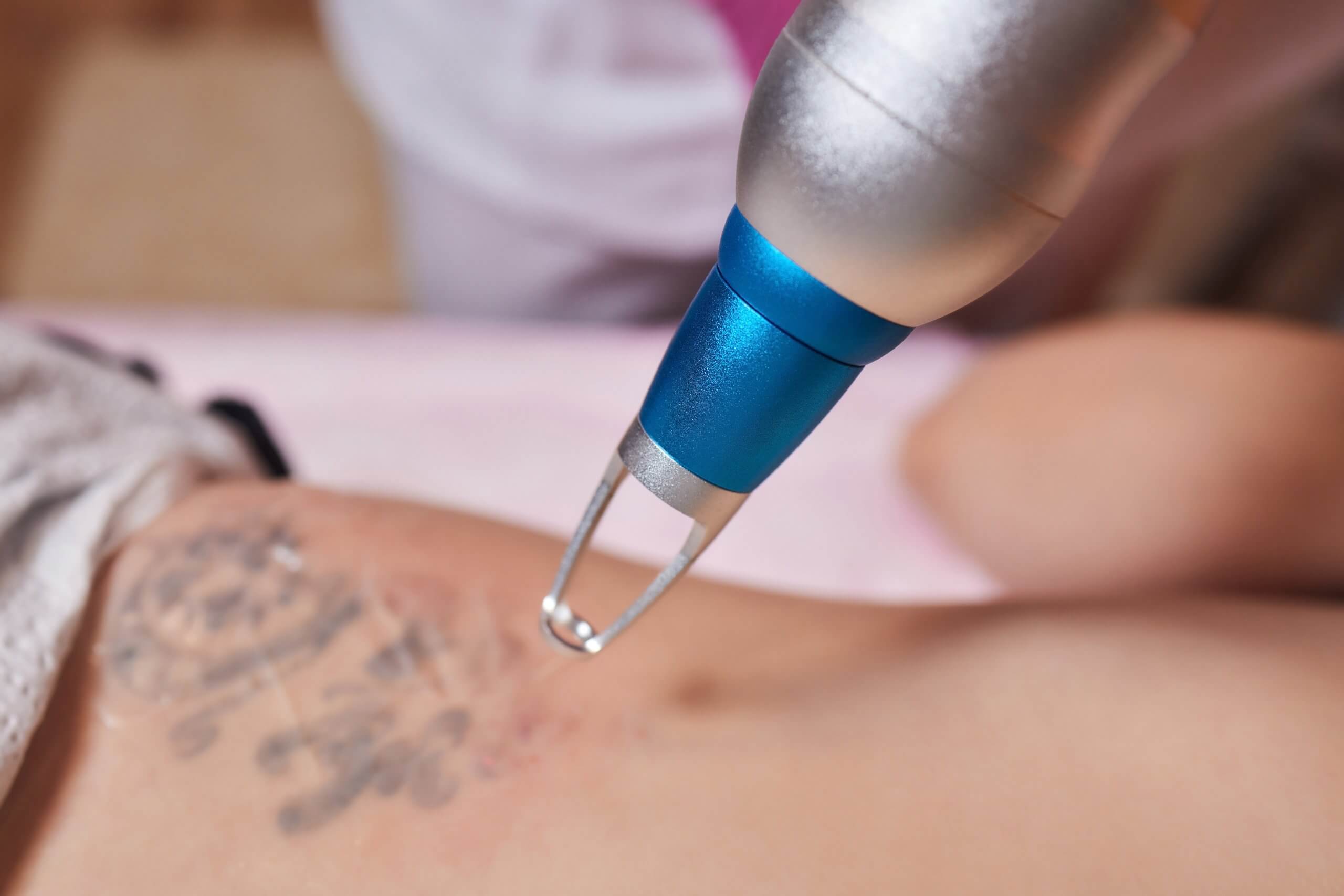
Once a symbol of permanent self-expression, a tattoo can sometimes become a source of regret. Whether it’s due to evolving tastes, career constraints, or a poorly done piece, the good news is that tattoo removal is more effective and accessible than ever before. If you’re considering saying goodbye to old ink, here’s a comprehensive guide to the process.
The Science Behind the Fade: How Does it Work?
Tattoo ink is injected into the dermis, the second layer of your skin, making it a permanent feature. The immune system’s macrophages try to clear the foreign particles (the ink), but the particles are too large, so they remain locked in place.
Historically, removal methods like dermabrasion (sanding the skin) or surgical excision were common, often leading to significant scarring. Today, the gold standard is Laser Tattoo Removal.
The Q-Switched Laser Technology
The most common and effective method utilizes Q-switched lasers (like the Q-switched Nd:YAG). These lasers emit highly concentrated light energy in extremely short, powerful pulses.
-
Targeting the Ink: The laser’s specific wavelength is absorbed by the tattoo pigment.
-
Breaking Down Particles: The light energy instantly heats the ink, shattering the large pigment particles into tiny fragments.
-
Natural Elimination: Your body’s immune system (specifically the macrophages) can then safely flush these smaller fragments away over time.
What to Expect from the Removal Process
Tattoo removal is not a one-session fix. It requires patience and commitment.
1. Consultation and Assessment
A qualified practitioner will assess several factors that influence the success and number of sessions required:
-
Ink Color: Black ink absorbs all laser wavelengths and is generally the easiest to remove. Brighter colors like green and blue are typically more resistant and require different laser wavelengths.
-
Tattoo Age: Older tattoos often fade faster than newer ones.
-
Size and Location: Smaller tattoos are quicker, and areas with better circulation (like the torso) typically respond better than extremities (like the ankles).
-
Skin Type (Phototype): This is crucial for determining the safest laser settings and minimizing the risk of side effects like hyper- or hypopigmentation.
2. The Sessions
-
Pain Management: The sensation is often described as feeling like a rubber band snapping against the skin. Topical numbing creams and cooling devices are used to minimize discomfort.
-
Duration: Each session is relatively quick, often lasting only 10 to 30 minutes, depending on the tattoo size.
-
Intervals: Sessions are typically spaced 6 to 8 weeks apart to allow the body’s immune system enough time to naturally clear the broken-down ink particles and for the skin to fully heal.
Aftercare and Side Effects
Proper aftercare is essential for effective results and minimizing complications.
-
Immediate Side Effects: It is common to experience redness, swelling, blistering, scabbing, and pinpoint bleeding immediately after the session.
-
Healing: Treat the area gently, keeping it clean and applying an antibiotic ointment as advised. Avoid sun exposure—this is perhaps the most critical instruction, as UV radiation can significantly increase the risk of scarring and unwanted pigment changes.
-
Potential Complications: While modern laser removal is safe, there is a risk of temporary or permanent changes to skin texture and color (hypopigmentation – lightening, or hyperpigmentation – darkening).
Key Takeaways Before You Start
-
It’s an Investment: Removal is typically more expensive and time-consuming than getting the tattoo itself. Be prepared for multiple sessions (often 6 to 12 or more).
-
Not All Tattoos Fully Disappear: Complete removal is possible for many tattoos, but some residual shading (a “ghost image”) may remain, especially with certain colors or deep-set ink.
-
Choose Wisely: Always select a certified, reputable clinic with experienced technicians. Your health and skin integrity are paramount.
If you are ready to turn back the clock on your body art, consult with a professional to discuss your options and embark on your fading journey!